We have contact across the country and overseas that we can either interface and get the circuits handed off thru EPI, or we can make the introductions and recommendations to said providers and the billing point can go thru the client themselves. We do events at established venues and outside in public spaces and have brought in bandwidth thru various methods to fulfill the needs of the events. We can assist in this as a standalone service, or part of the integrated overall service that the event needs.
On the hardware front EPI has over 1000 enterprise level managed switches with over 100 10 gig switches, multiple firewall and router kits, multiple management and monitoring boxes, multiple point to point and point to multipoint kits, over 100 Xirrus wireless arrays as well as other wifi aps dependent on the scenario. This includes all the supporting cable and fiber and optics to make it all interact. As an example of the demonstrated kit, we successfully linked the Austin convention center with 8 other hotels and venues across downtown and had a routed and stable network across them. this was done with both a primary P2P and a backup P2MP wireless network, as well as secondary circuits at failover at the individual venues. This deployment included all the rooms of the Austin CC and all the spaces in those external venues of which we had keynote(s), breakouts, meetings and other session types and over 5000 Hands On Training laptops hard wired and centrally managed and pushed from the Austin CC to internal and external venues via the EPI temp installed network.
EPI handles everything from the procurement of circuits down to the last device
EPI handles the wireless for both the customer/attendee facing networks as well as the staff and client networks depending on the locations/mission statements as well. We will do everything from a full building overlay install and back offices etc, to doing various integration installs. This is all dependent on the venues stated capabilities as well as budgetary/bandwidth constraints. We are agnostic to the vendor and gear used and have multiple vendors gear in stock and available to support the clients needs for density and thruput.
With this amount of owned inhouse gear, this allows EPI to support multiple shows world wide simultaneously with know good gear. We keep things patched and updated to the latest IOS revs and security patches thru out the year. We also are getting in new gear monthly as show needs dictate. We don’t rent gear to support the shows and don’t have unknown gear going out to the floor that hasn’t been under load of a show.
EPI is also the supporting engineer and tech arms behind a couple of other vendors and can be hired to support with gear and staffing as needed across the industry. We are ok with being under another’s shingle for job opportunities.
Conventions
EPI will work with the shows management team to understand scope and needs and intent, to try to guide the client into the best practices and industry standards that will give them the best chance for a successful show. As stated above we can facilitate/provide from the cloud to the last device on both the wired and wireless side. EPI can do this in either an integrated or an overlay mode with the venues/spaces as needed. We prefer to do a parallel overlay network as routinely shows are a 3-4 day load in, 3-5 days of show, and then a 1 day or less tear out and ship. It makes it easier for EPI as well as the venue if we can come onsite, get the bandwidth handoffs and then run dark fiber/copper from the MDF to the IDF/edges and place all our gear in them. Then we utilize the patch bays to get out to the spaces and place our gear to extend the network to the last device. We normally run multiple vlans for physical/logical security boundaries and also recommend multiple providers inbound on multiple paths for failover and redundancy. These are client determined for size and scope and risk factors and there is no one size fits all answer. We also a lot time preshow to do as much configuration and mapping/staging of the gear as possible. When we arrive onsite the gear is labeled and configured to the EPI maps of the show and venue. This includes its individual usage and needs so that we can get the deployment done and tested and verified. While not all the gear can always be done this way, it allows us to react to onsite changes and last minute adds instead of having to configure the whole show in the limited load in time and also react to those items unforeseen.
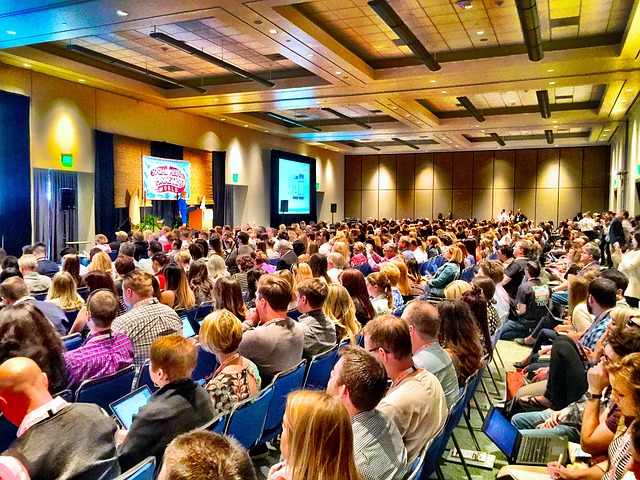
EPI has done shows from the 10’s to over 15k attendees, not including staff and support folks. EPI routinely does shows across multiple venues, as well as multiple cities and countries simultaneously.
One offs
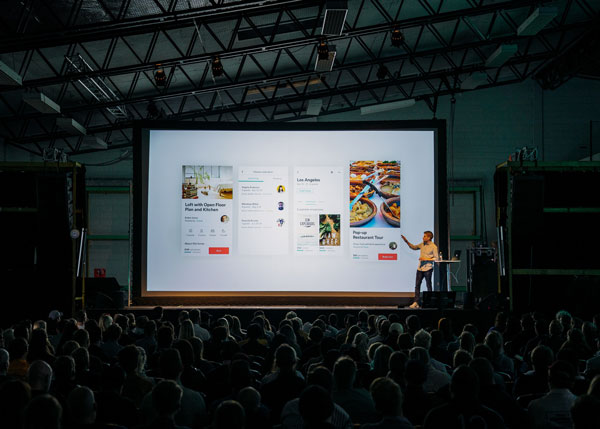
EPI has done many shows with multiple clients that are what we consider to be one offs. These can be from keynotes to product launches to charity events and things of that nature where there is not a book of business in a continuous path. EPI will work with the various client to determine needs of these events as they would a convention and recommend a course of action to complete the event successfully. An example of this is that we did a charity auction in a private residence in Beverly Hills where we acquired bandwidth, did a full install of multiple vlans to support the front and backend and did wifi thru out the property. The attendees showed up, were registered, assigned an ipad and then wandered the property live time bidding on art and gift baskets over wifi.
eSports
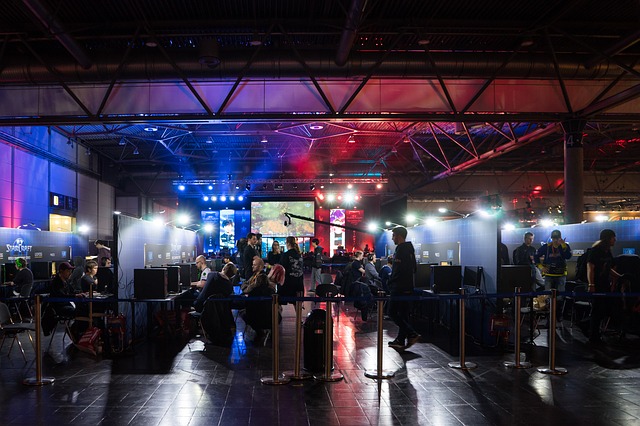
EPI has done several eSports tournaments in stadium settings as well as satellite tourneys in various countries. This includes bringing in the multiple bandwidth providers on divergent paths into the building for full redundancy and failover. We have also extended the networks from the stadiums to multiple venues in the same city and across town to different adjoining cities. These are obviously intensive wan and lan traffic events especially when they are online based games. We have worked thru both live game play to hosted servers as well as p2p connections to inside the hosted servers to maintain security and reduce attack surfaces. eSports have different needs of low latency and low jitter as well as the divergent needs of multinational broadcasters and commentators many of them streaming live around the world and leveraging the network to get content back to their cdn’s. eSports attendees and fans also tend to be more “connected” then your average cross section of the population. The attendees and fans are devouring large amounts of bandwidth, posting and streaming their own videos and social media to their outlets as well around the world.